


Scalable ERP and CRM Infrastructure for Resource Control
How Aquarious Technology transformed NextG Petrolube from paper, Excel, and drive-based operations into a centralized ERP platform powering inventory, sales, logistics, finance, reporting, user controls, and company-wide visibility.
Project Overview
NextG Petrolube operates in a business environment where operational control, product movement, lead management, and administrative governance all need to work together in real time.
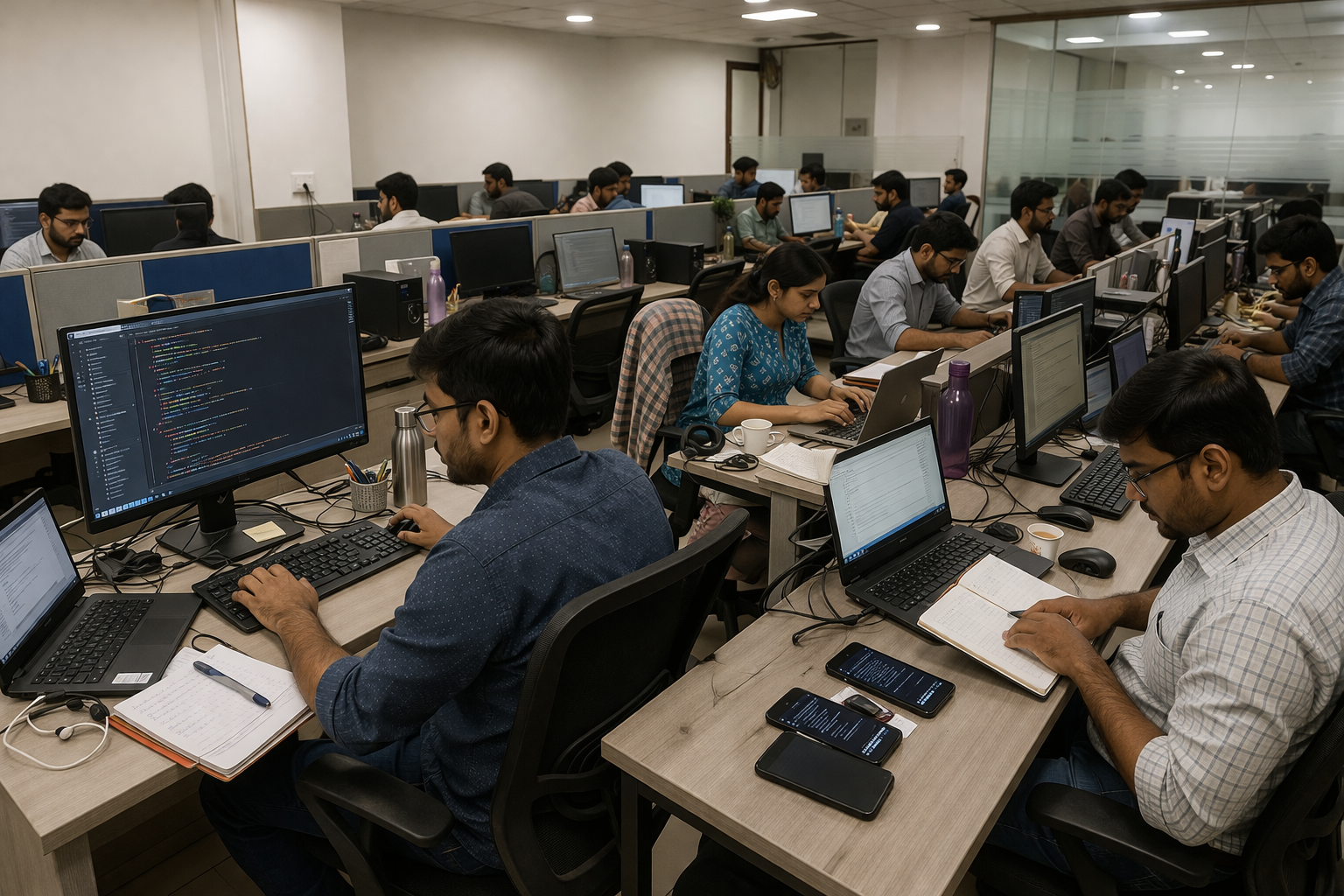
Before the ERP, a large part of the business was being managed through paper records, Excel sheets, and shared drives. This created fragmentation and limited the business’s ability to manage operations through a unified digital workflow.
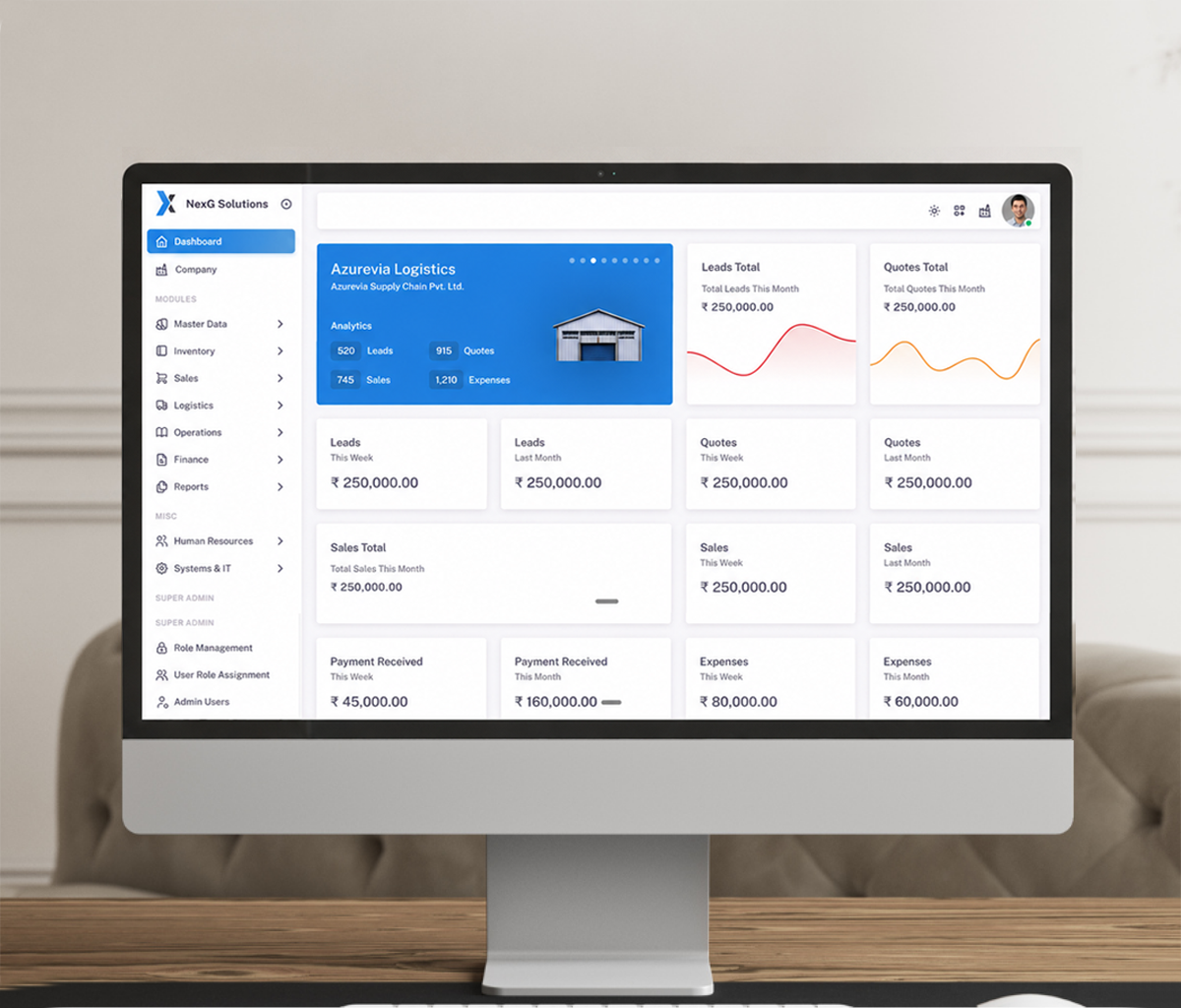
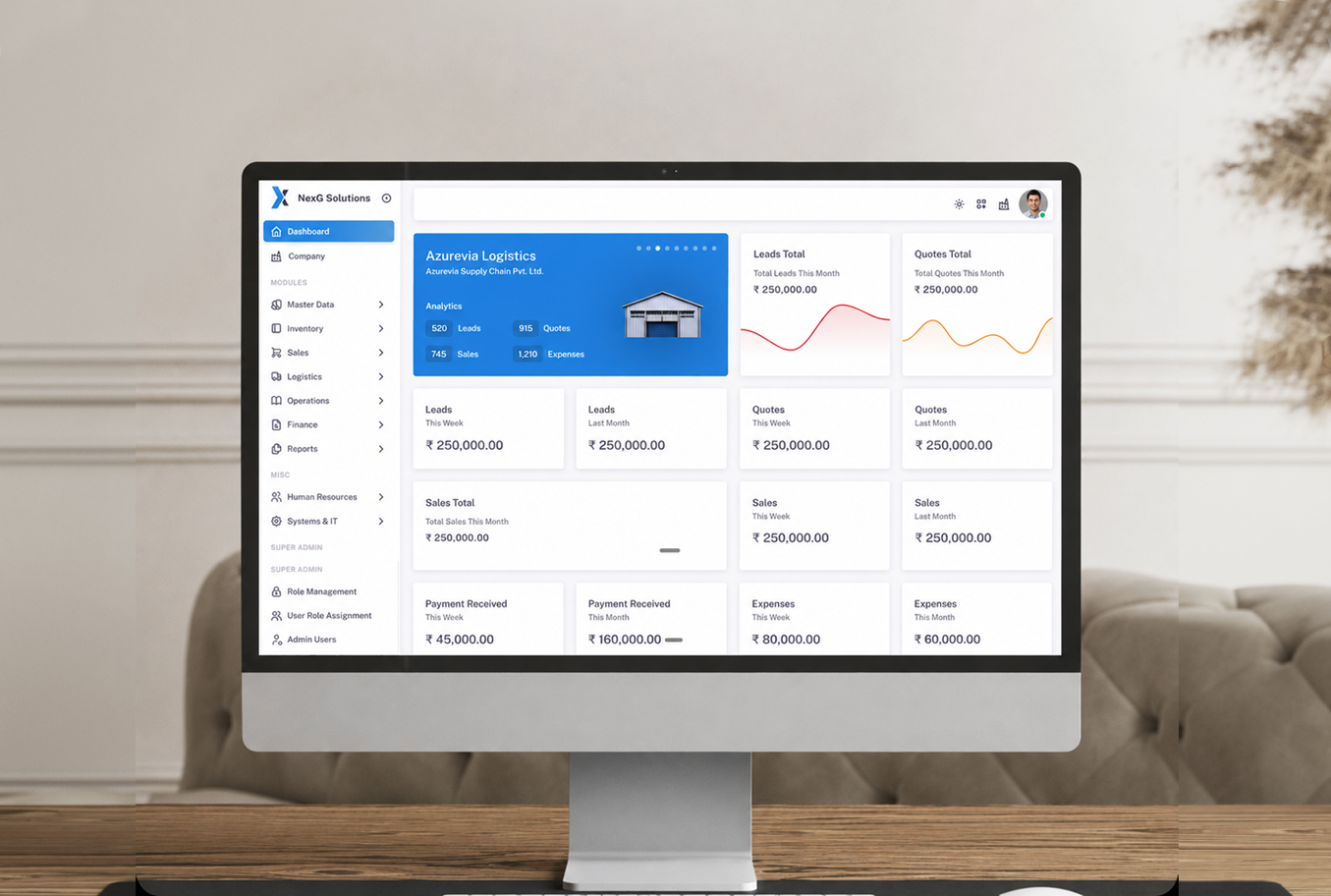
Aquarious Technology was engaged to architect and build a centralized ERP system that could bring multiple operational functions under one roof. The platform now supports multiple companies and a broad range of business modules through a clean, role-aware interface.
Client Request & Goals
Eliminate Manual and Fragmented Operations
The business needed to move away from paper, spreadsheets, Word documents, and drive-based coordination. The goal was to replace disconnected working methods with one centralized ERP that could create operational consistency.
Create a Unified ERP Across Core Business Functions
The platform had to support inventory, products, stock transactions, sales, logistics, operations, finance, reporting, HR, and systems administration inside a single ecosystem.
Build a Scalable, Role-Based Digital Backbone
The client needed a platform that could support multiple companies and multiple internal roles with strong backend architecture, structured permissions, and cloud deployment.
Enhance Real-time Operational Visibility
Moving from fragmented records to a centralized dashboard to provide leadership with actionable data and company-wide visibility across all business modules.

The Main Challenges
Migrating from Offline to Structured Digital Workflows
Moving from paper and spreadsheets required deep workflow mapping and data structuring to reflect how the organization actually functions.
Managing Multiple Operational Layers in One System
Accommodating products, inventory, sales, logistics, finance, and HR without the system becoming cluttered or difficult to use.
Building for Multiple Companies and Internal Users
Ensuring users see the right modules, permissions, and workflows based on their specific role and responsibility across multiple entities.
Making a Powerful ERP Feel Usable
Building an operationally dense system without sacrificing interface clarity, dashboard readability, and day-to-day usability.
Our Approaches

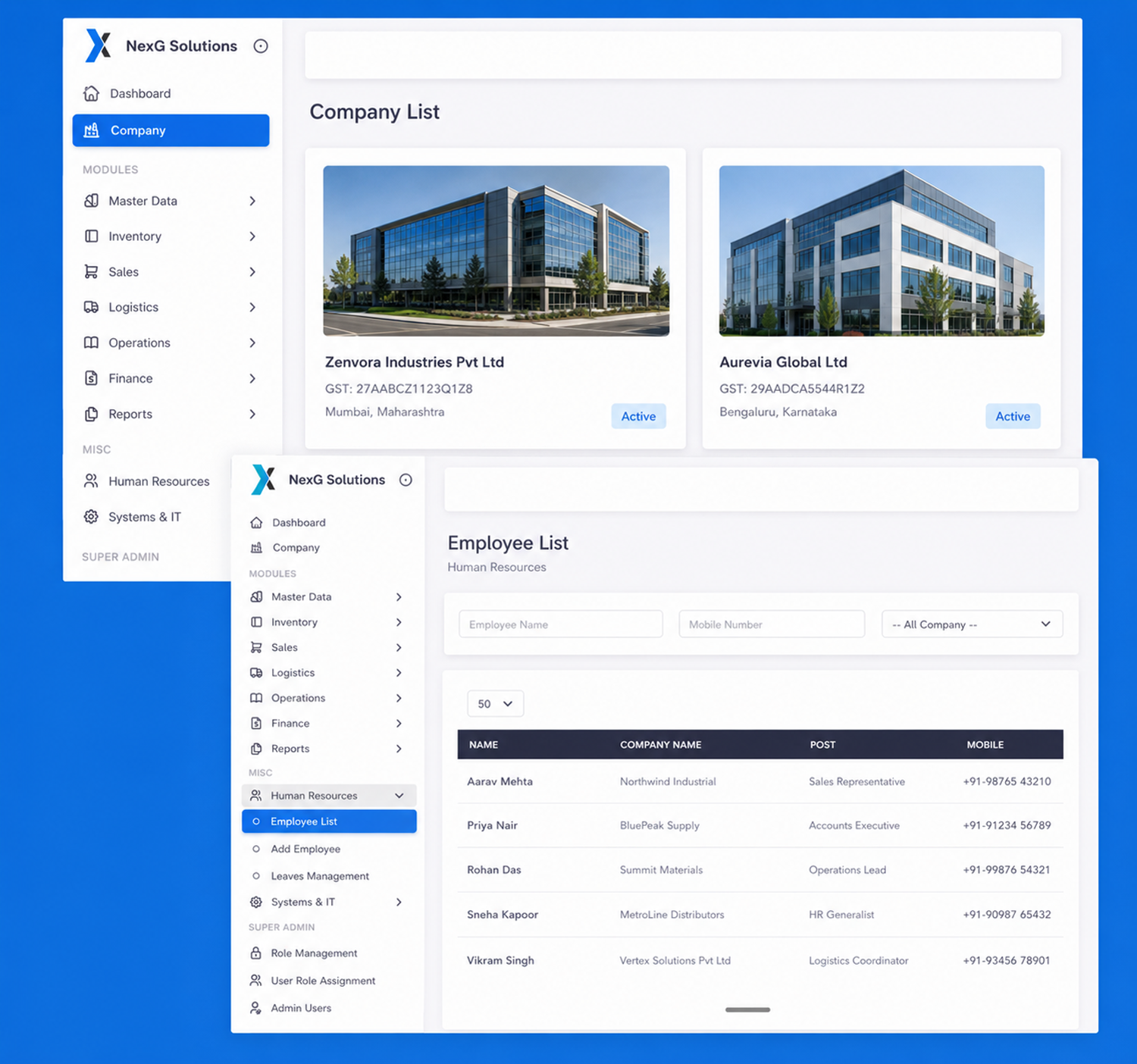
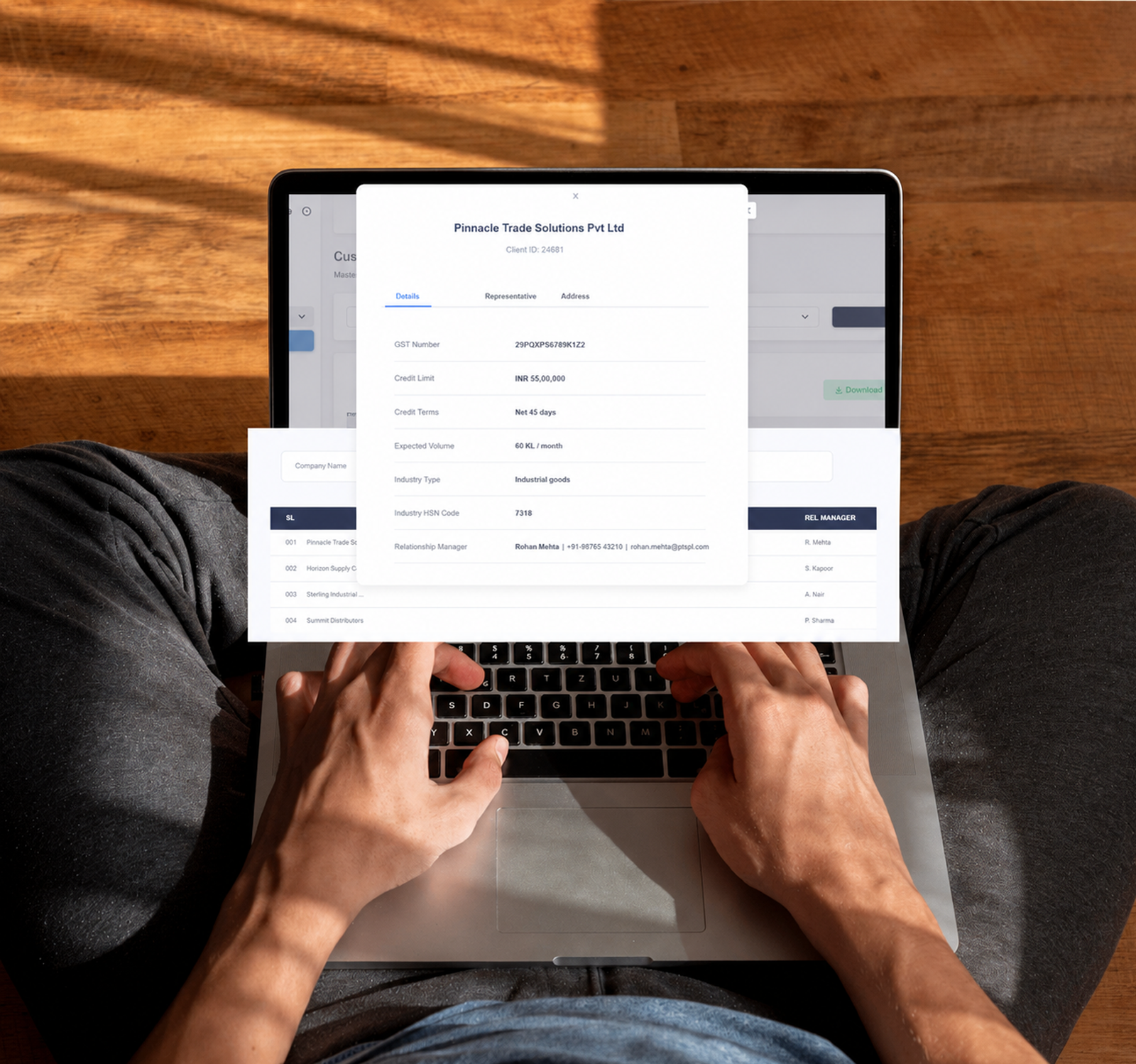
ERP-First Product Architecture
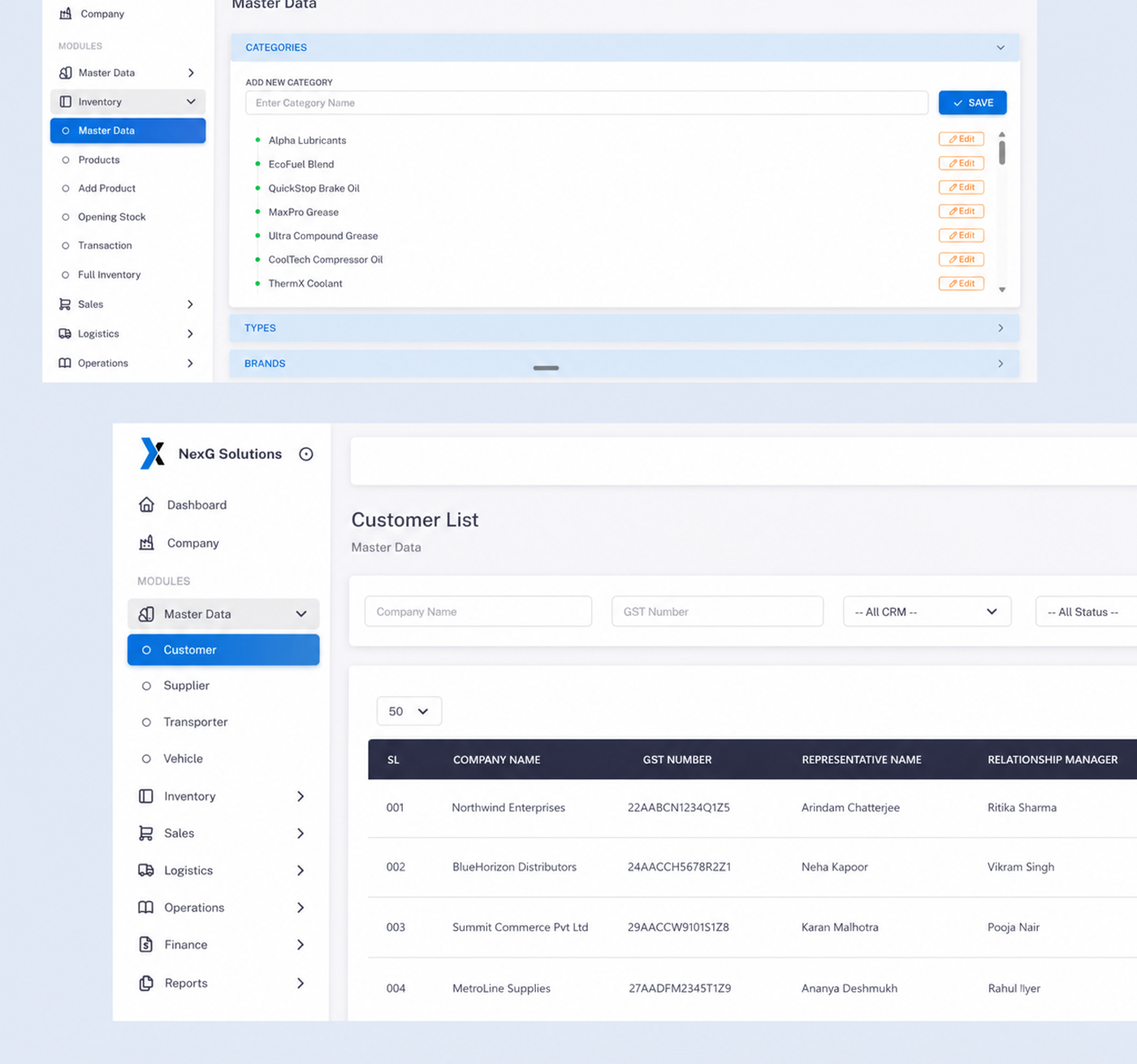
 Translating offline business processes into structured ERP logic.
- Defining modules around actual operational needs like inventory, sales, and logistics.
- Creating a system architecture capable of supporting multiple companies.
- Organizing workflows so each department works from a shared digital backbone.
- Ensuring the ERP could grow as the business expanded.
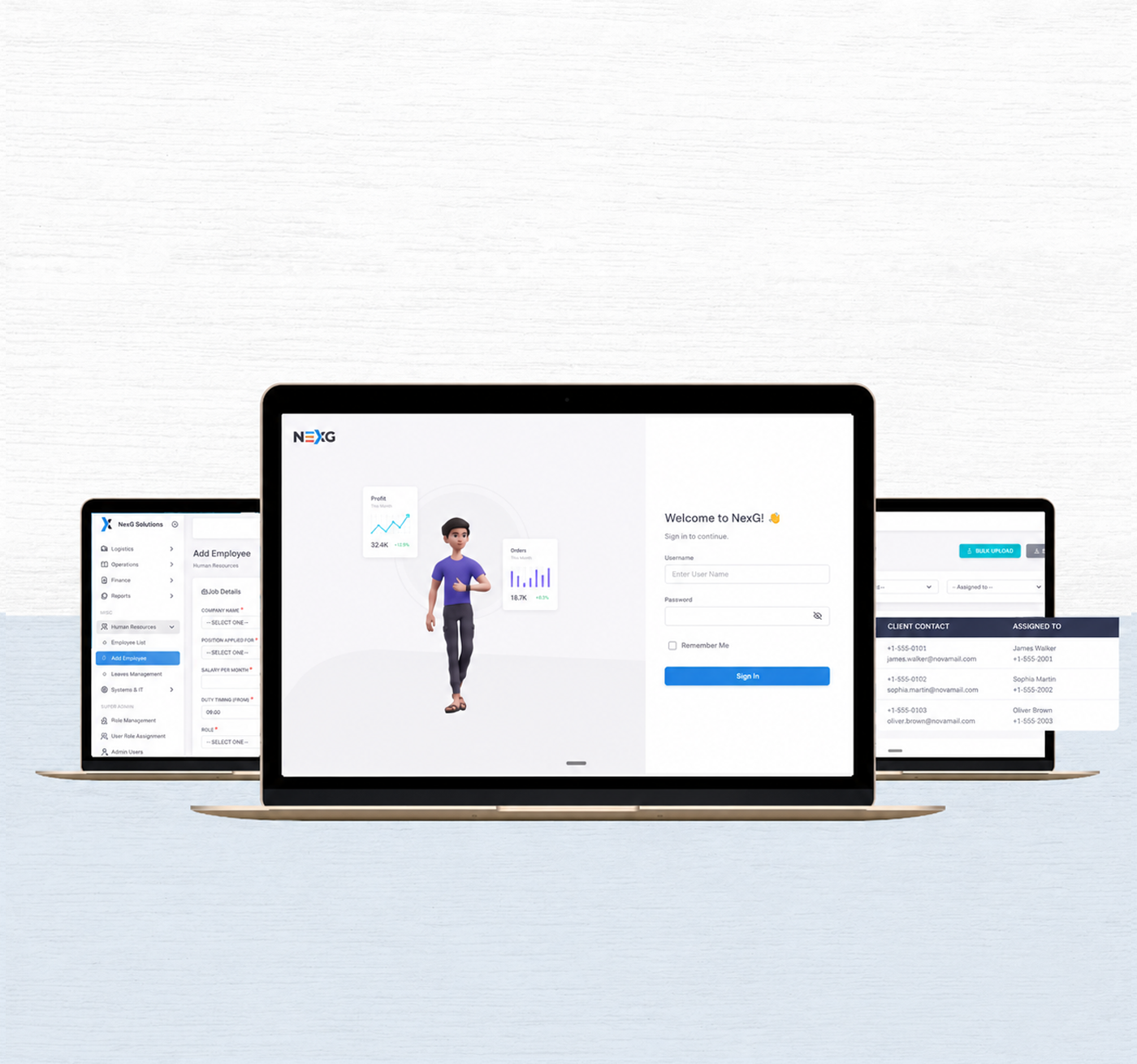
Measurable Success in Action
Complete Paper-to-Digital Business Migration
One of the strongest outcomes of this project is the operational transformation itself. NextG Petrolube moved from paper records, Excel sheets, Word files, and drive-based coordination into a centralized ERP environment.
Multi-Company Operational Centralization
The ERP is designed to power multiple companies from a shared system architecture, giving leadership and teams better visibility, consistency, and control across business units.
Cross-Functional Modules in a Single Platform
The system consolidates inventory, sales, logistics, finance, operations, reporting, HR, and administration into one digital layer, reducing dependency on disconnected tools and manual handoffs.
Secure Role-Based Business Governance
With user role assignment, role management, admin users, and systems-level access controls, the platform supports structured governance instead of open-ended spreadsheet-driven operations.
Overall Impact
Technology Stack




Strategic Highlights & Key Metrics Improvements

 100% migration from paper and Excel to a centralized ERP ecosystem
- Real-time synchronization across all business entities and departments
- Eliminated fragmentation by unifying sales, inventory, and logistics under one roof