



Mobile Application Development for Scalable Business Growth
Our mobile app development services help businesses build secure, scalable and user-focused applications for Android, iOS and cross-platform environments. From strategy and UI/UX to development, testing and post-launch support, we create mobile applications designed for performance and long-term growth.




I highly recommend these guys. I have been working with them for over 5 years and have nothing but good things to say. High quality code, easy to work with and always meets deliverable dates. Hire them.










Mobile App Development That Turns Your App Vision Into Reality
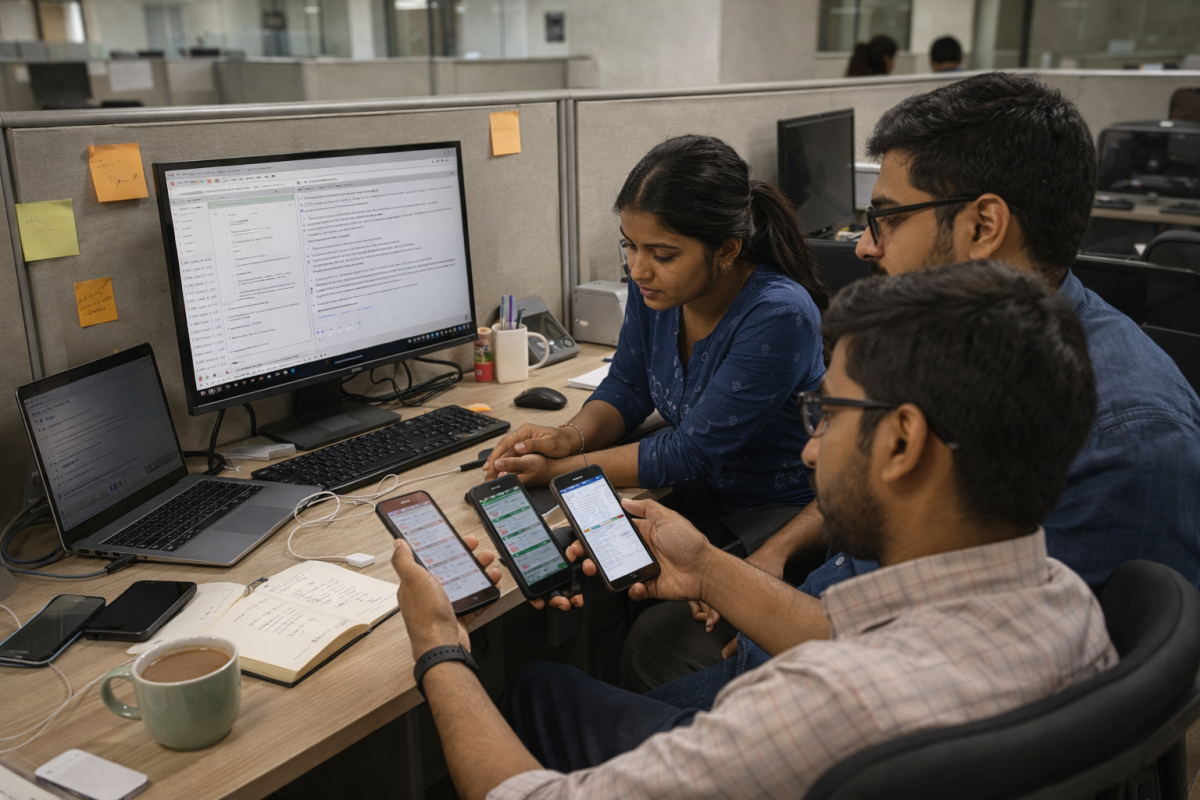
For a clearly defined MVP with a controlled feature scope, we can plan an accelerated development cycle to help validate the product with real users before committing to a larger build. Timelines depend on functionality, integrations, platform requirements and testing needs.

"Aquarious Technology turned our concept into a retention powerhouse boosting our monthly installs by 150% in just three months."
Get Noticed, Stand Strong, Achieve Results!

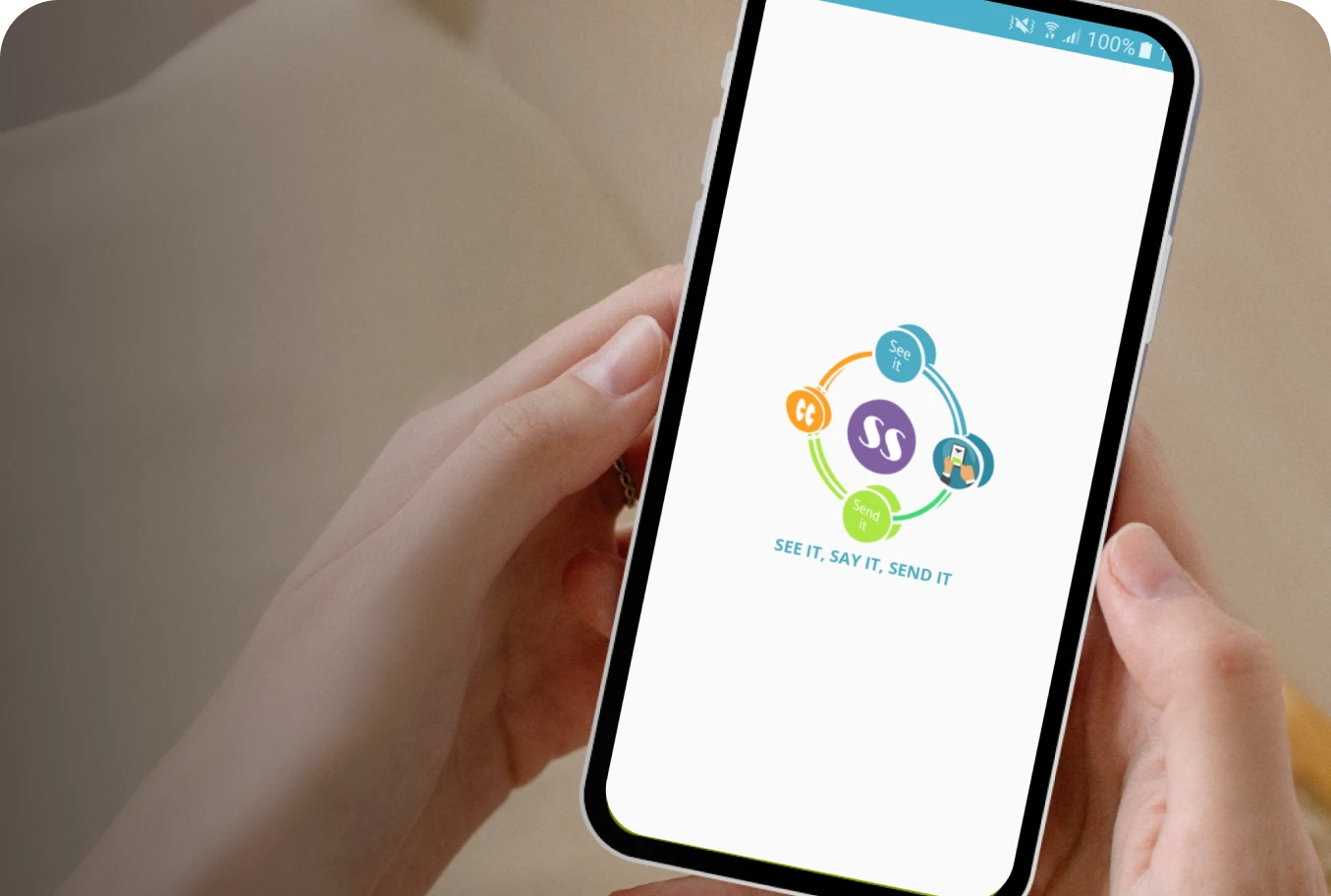
See It Say It Send It: Empowering Citizens for Real-Time Crime Reporting

Anonymous high-speed reporting: Developed a secure mobile interface for citizens to report suspicious activity to law enforcement with instant video, photo, and text uploads.
Geo-fencing & real-time alerts: Implemented advanced location-based technology to send targeted safety alerts to users within specific geographic boundaries.
Enterprise admin dashboard: Built a robust backend for public safety agencies to manage incoming reports, track incident patterns, and coordinate responses.
Tip Growth
Faster Reporting
Crime Reduction

Android Mobile App Development, iOS & Cross-Platform Solutions
Android App Development
We create tailored Android applications for businesses and their customers. Our specialists build modern solutions for Android Wear, tablets, smartphones and Android TV. Work with experienced Android developers for dependable, custom-built app services.
iOS App Development
Our iOS team creates tailored apps for iPhone, iPad, Apple Watch and Apple TV, with each build shaped around performance, usability, security and Apple platform standards. We guide iOS products from technical planning and interface design to testing, launch and continued refinement.
Native Platform App Development
Native platform development uses iOS- or Android-specific technologies, enabling apps to work directly with device functions, platform APIs and operating-system capabilities. It is a strong fit where performance, hardware integration and platform-tailored user experiences are key to the product.
Hybrid App Development
We build hybrid mobile apps with web technologies and cross-platform frameworks when a shared codebase fits the product's goals. The approach is planned around performance, device access, integrations and the maintenance needs expected over the application's lifecycle.
Native Mobile App Development
Native mobile apps work well for products that require reliable performance, direct use of device capabilities and platform-specific iOS or Android experiences. We define the architecture and technology stack around the product's functions, user expectations and ongoing maintenance requirements.
Hybrid Mobile App Development Services
Hybrid mobile development enables iOS and Android delivery from a shared codebase when it aligns with the product strategy. We shape the framework, integrations, device capabilities, testing and upkeep around performance targets and long-term support.
Progressive Web App Development
We build progressive web apps with HTML, CSS and JavaScript, creating responsive, app-like experiences that work reliably across devices.
Mobile Apps Delivered
Years on the Market
Avg. Install Growth
App Store Rating
Industries Served
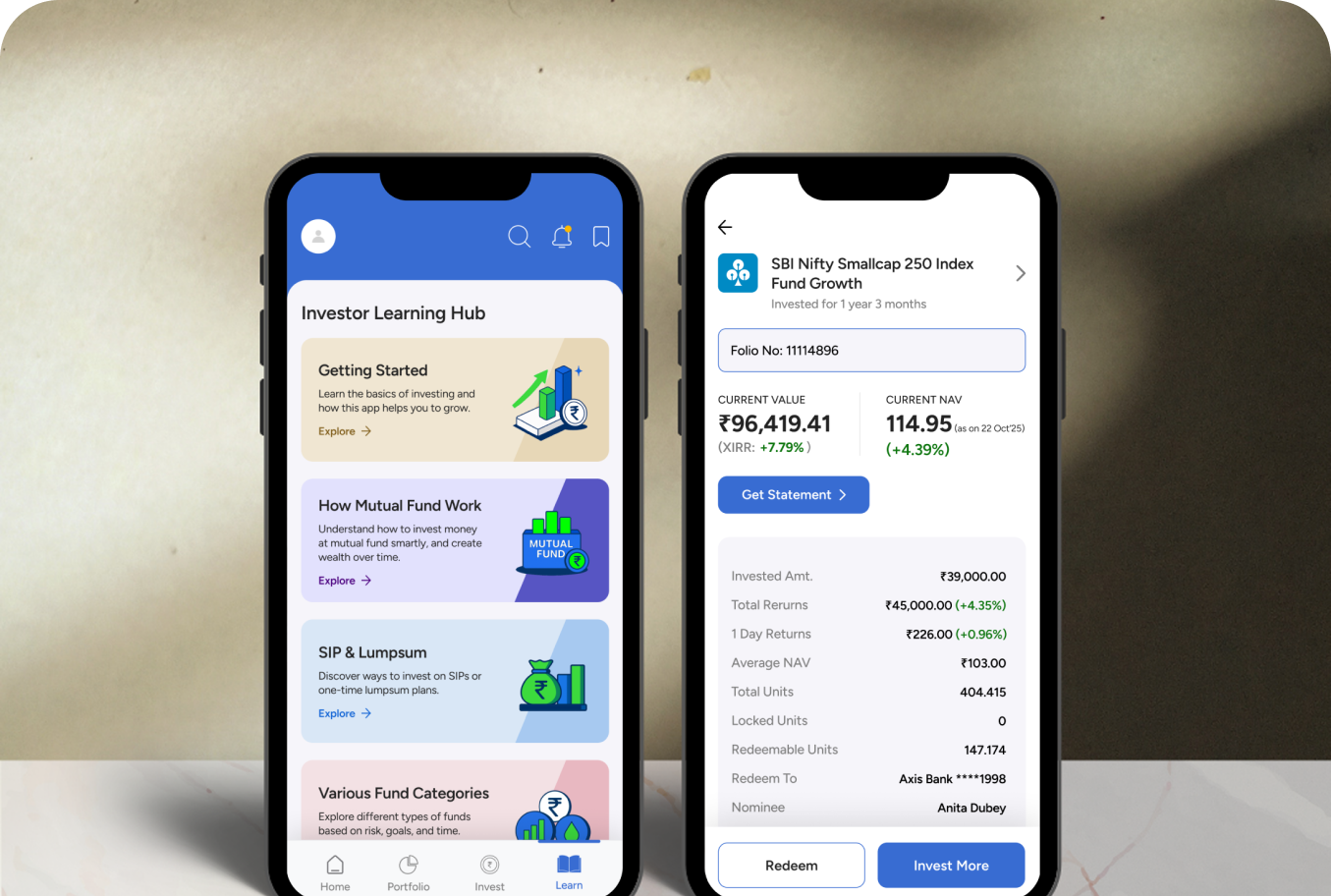
Keemat Financial: Designing a Modern Wealth-Tech Mobile Experience for Investors
5+
Google Play downloads
7
Core investment features
3
Data-safety controls
A trust-led mobile investment experience supporting fund discovery, SIPs, portfolio tracking, redemptions, and wealth-building journeys for everyday investors.
Why Clients Choose Aquarious Technology for Mobile App Development

We couldn't be happier with the mobile app Aquarious Technology developed for us. It runs perfectly and looks amazing. They are definitely the best mobile app development company in Kolkata!
Vishal Weetech
Kolkata, India
Aquarious Technology has been a great support in creating HelpBy ! They have a wonderful technical expertise added with market experience and research. Will work with them again!
Souvik Ghosh
AIXCHANGE, India
I highly recommend these guys. I have been working with them for over 5 years and have nothing but good things to say. High quality code, easy to work with and always meets deliverable dates. Hire them.
Karriem Adams
London, UK
They consistently went above and beyond to ensure our project was completed on time and within budget. Their expertise in the MEAN stack allowed for smooth and seamless development, leading to a product that exceeded our expectations.
David Kim
VertPro, USA
Just had a great experience with Aquarius, this IT and software company is seriously impressive! The team is knowledgeable and professional, always going the extra mile for their customers. Their technology is always at the forefront and their commitment to excellence is unmatched.
Carl Sapp
CS Consulting, USA
Aquarious Technology doesn't just build software, they build partnerships. Their ongoing support and strategic insights have been invaluable to our company's growth.
Isabella Santos
São Paulo, Brazil
The AI solutions Aquarious Technology developed for us have revolutionized how we serve our customers. ROI was evident within the first quarter of implementation.
Ahmed Hassan
Dubai, UAE
Integrating excellence within our mobile app development services through our time-tested development process


Discovery Workshop
This is a very critical phase in the mobile app development lifecycle because it helps us define the project scope and the right mobile app development approach we must adopt. It also helps us predict any challenges likely to crop up during the development lifecycle.

IA & UX/UI Design
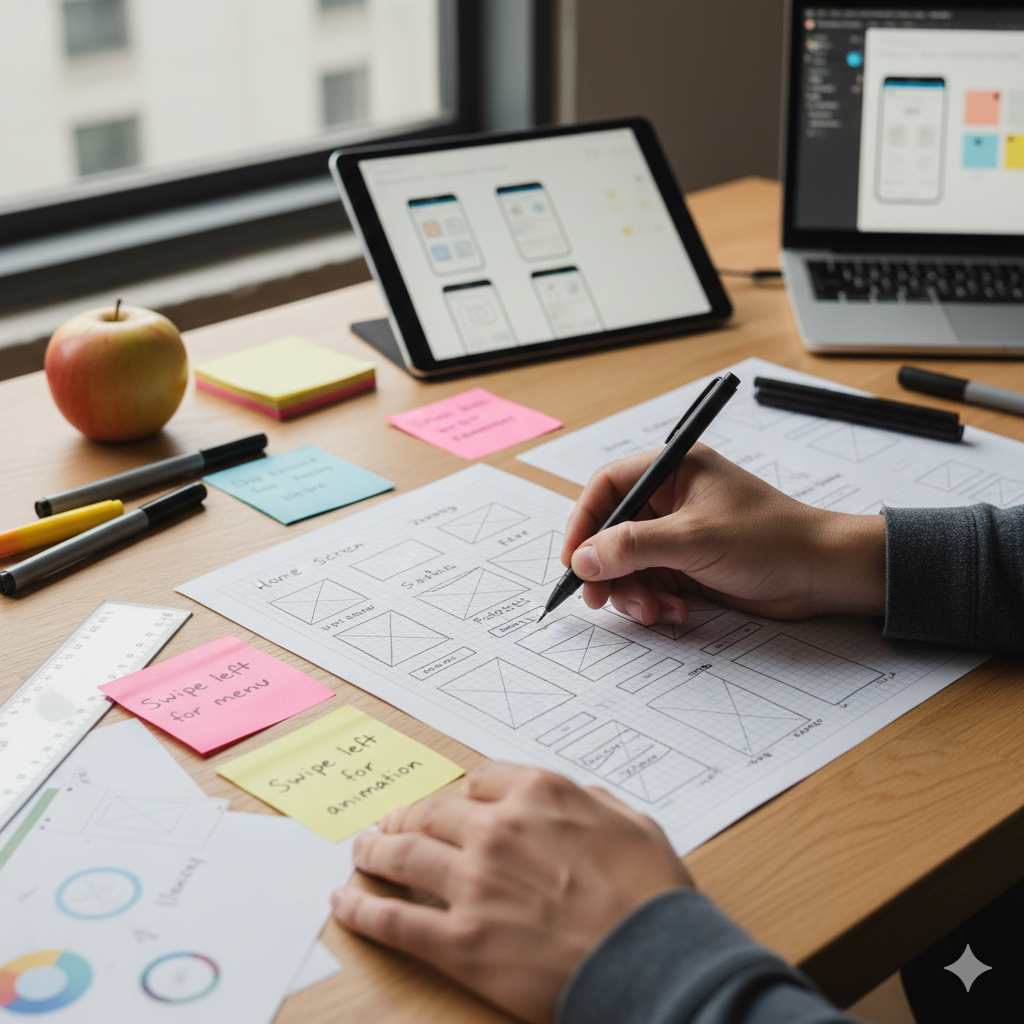
Here, we analyze the accumulated insights to develop clickable prototypes, giving you and our mobile app developers a tangible feel of the final product. We refine the app requirements by creating user personas and plan their app journey using design mockups to finalize the UI/UX design for mobile apps.


Development
Selecting the right tech stack is crucial to ensure a robust CI/CD setup. Before we start building the mobile app architecture, we finalize the mobile app development platform, framework, language, libraries, and APIs. Adopting practices like clean coding and continuous testing further improves the quality of our mobile app development.


Quality assurance testing
Quality assurance is built into our mobile app development process rather than treated as a final-stage check. Testing can include usability, functional, performance, compatibility and security validation across the devices and operating-system versions relevant to the project.


Deployment through a CI/CD pipeline
During deployment, we configure the required application and backend environments, validate release settings, and use an appropriate CI/CD workflow to move tested builds into production. App Store or Google Play release requirements are handled according to the platform and project scope.


Support & Maintenance
Post-launch support can include monitoring, issue resolution, operating-system compatibility updates, performance checks and iterative improvements based on user feedback. The support model and response coverage are defined according to the application's requirements and agreed maintenance scope.
Our development process is adapted to the project's scope, platform, integrations and service requirements while retaining the same core principles of discovery, design, development, testing, deployment and support.
Technologies, Frameworks & Tools



Secure Mobile App Development for Android, iOS & Cross-Platform Apps

iOS & Android Native
We follow Apple App Store & Google Play policies for secure native app delivery.
Cross-Platform Apps
For suitable projects, Flutter or React Native can support a shared codebase across iOS and Android. Security controls such as secure authentication, encrypted data handling, API protection and permission management are planned according to the application's architecture and risk profile.


UI/UX Design & Personalized Plans
Human-centered design with personalized UX strategies for optimal engagement.

Scalable Cloud APIs, Enterprise-Grade Security, and Store-Ready Deployments
Scalable, reliable backends with real-time APIs and cloud sync.

Got an idea or a half-finished app?
Request a Consultation Now.
Experience developing mobile and digital solutions for engineering and automation businesses.


Common Questions About Mobile Application Development
Find practical answers about mobile application development, system integrations, emerging technologies, security, compliance, and app performance.
Yes. As part of its mobile application development approach, Aquarious Technology can connect mobile apps with existing databases, APIs, CRM platforms, ERP systems, and other business applications. The integration is planned around secure data exchange and reliable connectivity so the mobile application can work with the systems a business already uses.
Yes. Aquarious Technology can incorporate technologies such as AI, machine learning, AR/VR, blockchain and IoT when they support a genuine product requirement. The technology should be selected according to the mobile app's purpose, users, data requirements and business goals rather than added simply as a feature.
Mobile app development agencies should consider security and privacy throughout the development lifecycle, from data storage and API communication to authentication and access control. Depending on the industry and application, this may include encryption, secure authentication, permission management, testing, and compliance requirements such as GDPR or HIPAA where applicable.
Performance testing should cover different devices, screen sizes, operating system versions, network conditions, and hardware capabilities. For Android mobile app development, testing across multiple device types and OS versions is particularly important because of the wide range of Android configurations. iOS applications should also be tested across supported iPhones and iPads to maintain consistent performance and usability.